What Causes Roof Sagging and How Can You Fix It Safely?
A sagging roof can indicate anything from a localised batten problem to a serious structural defect. In Fremantle, winter rain, coastal exposure and ageing roof structures can contribute to deterioration. A visible dip, bowed ridge or changing roofline needs professional assessment—not a cosmetic patch. Identifying the cause early helps protect your home and prevents repair costs from escalating.

What Causes a Roof to Sag?
Water Damage and Timber Decay
Leaks around damaged tiles, metal sheeting, valleys or flashings can repeatedly wet roof timbers. Over time, moisture can encourage fungal decay and weaken rafters, battens and connections. Blocked gutters can also contribute to water entering roof edges. Replacing the roof covering alone will not resolve sagging if the supporting timber is damaged.
Overloading or Inadequate Structural Support
Roof framing must support the loads applied to it. Replacing lightweight roofing with heavier tiles, adding equipment or storing heavy items in the roof space can overload a structure that is not designed for those loads. Removed internal walls, altered trusses or inadequate bracing can also affect the roof’s load path.
Solar installations require suitable attachment details and consideration of the existing structure, particularly on older Fremantle homes.
Termites, Corrosion and Building Movement
Termites can damage timber framing without obvious signs from outside. Near the coast, salt exposure can accelerate corrosion of metal components and fixings, depending on their material, protective coating and exposure. Foundation movement or movement in supporting walls can also distort a roofline.
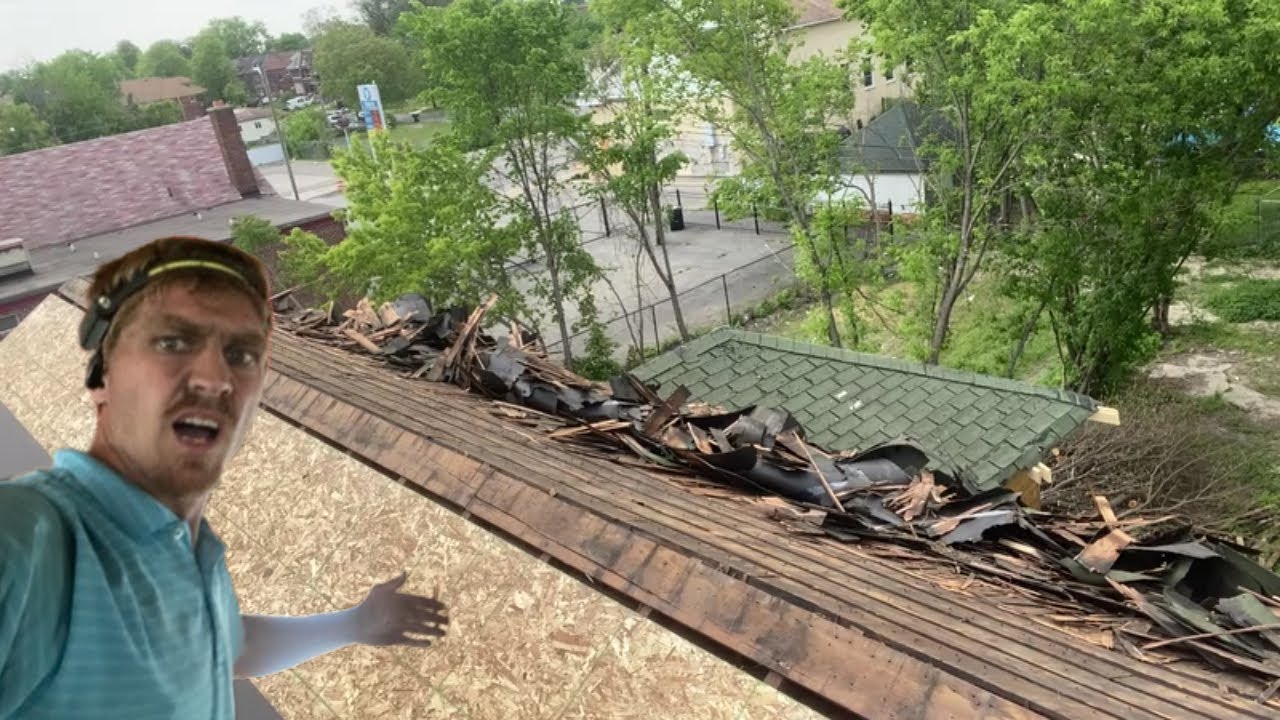
Warning Signs That Need Prompt Attention
- A new or worsening dip along the ridge or roof surface.
- Cracked, bowed or visibly displaced rafters or trusses.
- Fresh ceiling cracks, water stains or gaps where ceilings meet walls.
- Doors suddenly sticking alongside other signs of building movement.
- Creaking, cracking sounds or visible movement during bad weather.
A sagging ceiling does not always mean the roof structure is failing; ceiling fixings or water damage may be responsible. However, both conditions can present a safety risk and need inspection.
What Should You Do Immediately?
Keep people away from the affected area. Do not climb onto the roof, enter a suspect roof space or attempt to push the structure back into position. Avoid placing buckets beneath a bulging ceiling if doing so requires standing underneath it.
If movement is sudden, cracking sounds occur or collapse appears possible, leave the affected building and call 000 if there is immediate danger. For storm-related emergency assistance in Western Australia, contact the SES on 132 500. Do not touch wet electrical fittings; arrange assessment by a licensed electrician.
How Is a Sagging Roof Repaired Safely?
- Arrange an assessment: Engage a suitably qualified roofing contractor or builder. Suspected structural defects should be assessed by a structural engineer.
- Identify the underlying cause: Inspection may cover framing, connections, moisture damage, termites, previous alterations and supporting walls.
- Make the structure safe: Where necessary, professionals install designed temporary supports before repair work begins.
- Complete the specified repairs: Work may involve replacing damaged timber, strengthening connections, repairing supports or replacing unsuitable roofing materials.
- Prevent recurrence: Repair leaks, address pests and corrosion, and maintain drainage.
Do not jack up rafters or cut, drill or modify roof trusses yourself. Incorrect work can redistribute loads, damage walls and trigger further failure.
Approvals and Local Considerations in Fremantle
Structural roof repairs may require a building permit. Check requirements with the City of Fremantle before work starts, particularly where a property is heritage-listed or subject to heritage planning controls. Contractors https://griffinwujw203.moderncairn.com/posts/what-happens-to-old-roofing-materials-after-replacement should confirm applicable National Construction Code requirements and relevant Australian Standards.
Older roof materials may contain asbestos. Suspect materials need assessment before they are disturbed, with removal undertaken according to Western Australian safety requirements.
Protect Your Roof Before Damage Spreads
Inspect your roofline from ground level, keep gutters maintained safely and arrange checks after significant storms or when leaks appear. For coastal properties, ask about corrosion-resistant materials and fixings suitable for the site’s exposure.
If you notice sagging, book a professional inspection promptly. The safest repair addresses the structural cause—not just the visible dip.
Fremantle Roof Restoration & Repair
WA, 6160
(08) 9515 3082
Ends · KNOXARWR810